

sense desire : ค้นหาหนังสือธรรมะ หน้า 3 / 3
หน้าหนังสือทั้งหมด
5
The Shared Responsibility of World Peace
organisation. We have come to believe that creating peace is not our duty but the domain of someone else who has power, holds a governing position, has budgets, and is somehow more organised than the
The text emphasizes that creating peace is not solely a duty for those in power or governance but a responsibility shared by everyone. It defines peace as a sense of happiness and wellbeing that can e
57
The Concept of Dhamma and Kāya in Buddhist Philosophy
On the whole, it appears that the terms dhamma and brahma constituting four designations of the Tathāgāta are used in the sense of the ‘highest.’ It is most likely that they refer to Nibbāna.
This i
This study examines the terms dhamma and brahma, suggesting that they refer to the highest aspect of Tathāgāta, likely Nibbāna. The term dhamma denotes transcendental realities, transcending the realm
58
Understanding the Concept of Body and Collection in Dhamma
Functionally, however, both terms seem to imply a different relationship between individual members and the ‘totality’ of the whole ‘body’ or ‘collection.’ As a ‘body,’ the ‘totality’ of the whole org
This text analyzes the distinctions between the terms 'body' and 'collection' within the framework of Dhamma, particularly focusing on functional dependence. It argues that while a 'body' maintains es
11
The Noble Truths of Suffering
4 The Noble Truth of Suffering ........................................... 57
Every Living Being is a Victim of Suffering 57 • Suffering as a result of
Birth 58 • The Suffering of Internment in the Wo
เนื้อหาเกี่ยวกับสัจธรรมทั้งสี่ซึ่งกล่าวถึงทุกข์และวิธีการดับทุกข์ในศาสตร์ของพุทธศาสนา รวมถึงอธิบายความสำคัญของการเข้าใจทุกข์และการพึ่งพาไม่ให้จิตใจเสพติดความสุขชั่วครั้งชั่วคราว การบรรลุถึงสภาวะนิพพาน
85
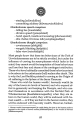
The Path of Wholesomeness and Unwholesomeness
- stealing [adinnāḍāna]
- committing adultery [kāmesumicchācāra]
Unwholesome speech comprises:
- telling lies [musāvāda]
- divisive speech [pisuṇaṅāṭa]
- harsh speech, insults and swearing [pharusavaṭ
In Buddhism, ten unwholesome behaviors are cautioned against: stealing, committing adultery, lying, divisive speech, harsh speech, idle chatter, covetousness, vengeful thinking, and false views. These
101
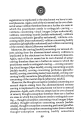
Understanding Sensory Craving and Attachment
registration is implicated in the attachment we have to sensual pleasures. Again, each of the six senses has its own channel of sense-volition therefore there are a further six areas in which the prac
This text delves into the role of sensory experiences in fostering attachment to sensual pleasures, with a focus on the six senses: visual, auditory, olfactory, gustatory, tactile, and mental. Each se
233
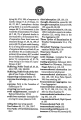
Exploring Suffering and Enlightenment in Buddhist Philosophy
dying 58, 67-9, 199; of exposure to third absorption 129, 130, 131
hateful things 71-2; of illness, 12, thought, discursive, sense 96, 100
46, 57, 66-7, {metaphors: donkey thought-conception: discursi
This text delves into the intricate themes of suffering and enlightenment within Buddhist teachings. It explores the various aspects of suffering, including its origins and manifestations, and the pat
99
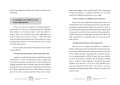
Guiding Children Away from Negative Influences
make sound judgments whether they should or should not do
something.
2. Keeping your children away
from Apayamukha.
In the event where the children are already addicted to
Apayamukha, the only way to
This text discusses the role of parents in guiding their children away from negative influences such as addiction to substances. It emphasizes the importance of open communication without anger, teach
171
Cultivating Mindfulness and Moral Foundations in Families
their families to have control over themselves at a young age,
the grandparents instilled them with generosity through alms
offerings to the monks and daily observance of the five
precepts. These whol
This text discusses how families can instill moral values and mindfulness in children through daily Dhamma studies, teachings, and meditation. It emphasizes the importance of generosity, the awareness
186
Understanding the Five Precepts and Spiritual Cultivation
Part Seven: Appendixes
All of these precepts are meant to decrease kilesa,
especially sexual desire and allow us to focus on spiritual
cultivation.
Five Precepts: five rules of conduct that we can cho
This section discusses the Five Precepts aimed at reducing kilesa, particularly sexual desire, fostering spiritual growth. The Five Precepts include refraining from killing, stealing, sexual misconduc
48
Journey to Joy
Journey to Joy
world as it truly is. Every living being will appear
as its true self and we will realise that our lives
and others' lives are equal and worthy. If we find
ourselves more fortunate than
In 'Journey to Joy', the text emphasizes the importance of recognizing the equality and worth of all lives. Embracing universal love compels us to assist those less fortunate. Understanding the Body o
219
The Pursuit of True Happiness
Wisdom
world. I even try to verify it myself in my career
life. The endless pursuit of higher positions on
my own career path will only lead me to an
endless round of greater responsibility and more
c
In this reflection, the author contemplates the endless pursuit of career advancement, realizing that it often leads to greater responsibilities and a disconnection from one's true self. The pursuit o
220
Journey to Joy
Journey to Joy
220
in a basic lifestyle, we can help reduce our desire
level. At that point, we would realise that we can
well with these basic needs and the
survive very
happiness of 'no desire' is t
การเดินทางสู่ความสุขเริ่มต้นจากการลดความปรารถนาและให้ความสำคัญกับความต้องการพื้นฐานของเรา การตั้งคำถามเกี่ยวกับความหมายของการมีชีวิตในโลกนี้ช่วยให้เราเข้าใจสิ่งที่สำคัญและนำไปสู่ความสุขที่แท้จริง การใ
44
Ordination of Chaiboon Suthipol
In the April of 1969, Chaiboon graduated with a Bachelor's degree, with a major in Agricultural Economics. After receiving his degree, he immediately informed his father of his desire to ordain for li
In April 1969, Chaiboon graduated in Agricultural Economics and decided to become a monk. After his father's initial hesitation, he received family support. On 27 August 1969, Chaiboon was ordained at
133
Understanding the Five Hindrances in Meditation
Five Hindrances
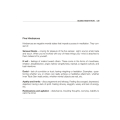
Hindrances are negative mental states that impede success in meditation. They consist of:
Sensual Desire – craving for pleasure of the five senses: sight, sound, smell, taste and tou
The Five Hindrances are crucial negative mental states that can obstruct meditation success. They include Sensual Desire, which refers to craving for sensory pleasures that distract the mind. Ill will
43
Understanding and Overcoming Defilements in Meditation
Suzanne Jeffrey
from defilement are manifested within the mind since we are born. It forces the mind to
think, speak, and act imperfectly and it allows us to slide into bad habits. Finally, defile-
m
This text discusses the concept of defilements, which manifest in the mind from birth and lead to bad habits and suffering. It emphasizes the need for right understanding and mind control, urging prac
28
The Teachings of Phra Rathapala on Suffering and Desire
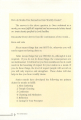
Phra Rathapala explained to the Raja that he had his own four reasons for ordination these having been taught to him by Lord Buddha. That in one's life there are two types of suffering: suffering that
Phra Rathapala shares insights on suffering as taught by Lord Buddha, emphasizing the unavoidable suffering from past lives and the avoidable suffering caused by desire. Key points include the inevita
43
How Monks Free Themselves from Worldly Desire
How do Monks Free themselves from Worldly Desire?
The answer to the above question is: Once ordained as a monk, you must fulfill all required and recommended duties based on tenets clearly specified
Once ordained, monks must engage in specific duties as prescribed by Lord Buddha to free themselves from worldly desires. These duties, categorized into 'Kiccavatta' (mandatory) and 'Vatta' (recommend
59
The Importance of Chanting in Buddhism
your mind will clear and be open to receive merit. Your thoughts, speech, and action will not be led astray by temptation.
Performing Vatta serves constantly to remind us of the virtues of the Triple
Chanting in Buddhism plays a crucial role in enhancing faith and preserving teachings of the Buddha. It reminds practitioners of the virtues of the Triple Gem and helps them avoid temptation. Historic
81
Direct and Indirect Benefits of Achieving Arahant Status
Direct benefits.
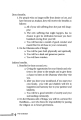
1. For people who no longer suffer from desire or lust, and have become an Arahant, they will receive the benefits as follows:
a. All of your old suffering from the past will disappea
Achieving Arahant status brings both direct and indirect benefits. Directly, individuals free from desire will see past suffering vanish, prevent future suffering, and embody good moral conduct, becom